

In short
- Build the flows by early November, so they run on real traffic before the sale.
- Five flows cover the journey: welcome, browse, cart, post-purchase and win-back.
- Every flow needs an exit: a filter that stops it once someone buys.
- Save discounts for the moments they change a decision.
- Check your sending setup before the busiest week of the year.
Black Friday falls on 27 November this year, and much of what a store sells that week goes to people who already know it. Flows are how you reach them at the right moment without writing a new email every day.
These are the five flows we set up for every store before the sale, with the timing we start from. Treat the timing as a first draft: change it once your own results come in.
Why flows beat campaigns in November
A campaign goes to a list at a time you pick. A flow goes to one person at the moment they do something: sign up, look at a product, leave a cart, buy. In November inboxes are crowded, and the email that arrives right after an action is the one that gets read.
Flows also keep working while your team is busy with the sale itself. Build them early in November, let them run for a few weeks on normal traffic, and fix what doesn’t work before the big days.
The five flows at a glance
| Flow | Trigger | Emails | What it does |
|---|---|---|---|
| Welcome series | Joins the list | 3 over 7 days | Turns a sign-up into a first order |
| Browse abandonment | Views a product | 1–2 over 2 days | Brings back a product they looked at |
| Cart abandonment | Starts checkout | 2–3 over 3 days | Recovers carts left at checkout |
| Post-purchase | Places an order | 3 over 21 days | Sets expectations, then asks for a review |
| Win-back | No order in 90 days | 2 over 14 days | Brings past customers back before the sale |
Before you build, check that Klaviyo can see product views and carts on your store. Without its onsite tracking, the browse and cart flows have nothing to start from.
1. Welcome series
The welcome series is the first impression for everyone who joins your list, and in November that is a lot of people.
- Email 1, right away: the offer they signed up for.
- Email 2, day 2: your best sellers, with their reviews.
- Email 3, day 5: the story behind one product.
Stop the series as soon as someone orders. A filter for “Placed Order zero times since starting this flow” makes sure nobody gets a discount for an order they have already made.
2. Browse abandonment
Someone looked at a product but didn’t add it to the cart. One short email a few hours later, with that product and two similar ones, is enough. Skip the discount here: they haven’t shown enough intent to need one.
3. Cart abandonment
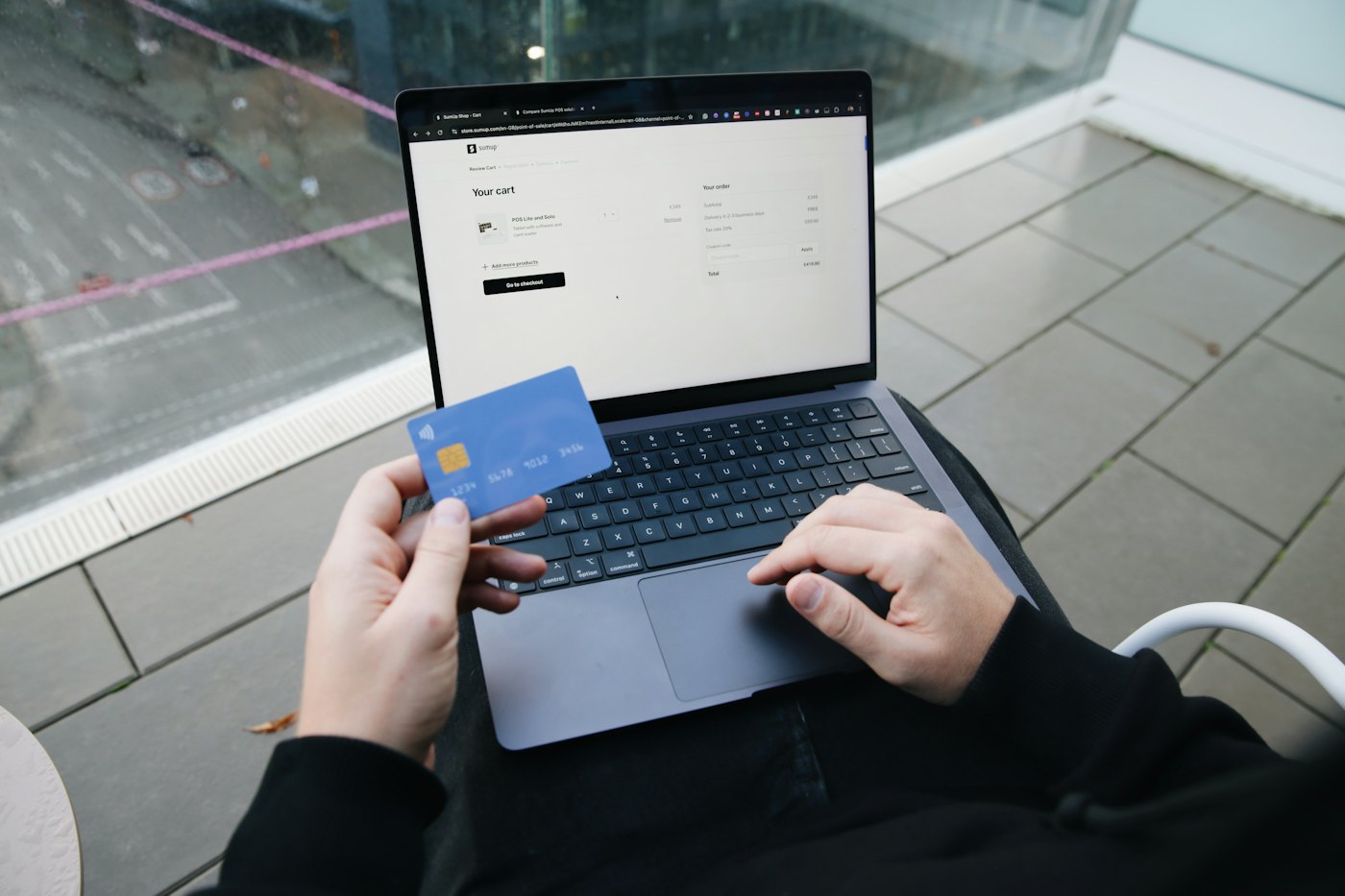
This is the flow that earns the most in November, because it reaches people one step from buying. Klaviyo suggests running two of them, one started by Added to Cart and one by Started Checkout, with a filter so nobody gets both.
The timing we start from
- Email 1, 2–4 hours after checkout starts: the cart exactly as they left it, with product images.
- Email 2, about a day later: answers to what stops people buying: delivery dates, returns, sizing.
- Email 3, on day 3: only now, and only if your margins allow it, a small incentive such as free shipping.
4. Post-purchase
Black Friday brings first-time buyers. The post-purchase flow decides whether they come back in January.
- Right after the order: a plain thank-you and what happens next.
- When it ships, or a week later: how to use or care for what they bought.
- Three weeks later: ask for a review, then suggest what goes with it.
The email that arrives right after someone acts is the one that gets read.
5. Win-back
Past customers who haven’t ordered in 90 days or more already know your products. Start the win-back flow early in November, so they hear from you before the sale and not only during it.
Keep it to two emails: what’s new since their last order and, a week later, early access to the sale.
Check your sending setup first
Gmail now asks anyone who sends 5,000 or more messages a day to its users to authenticate their email and make unsubscribing easy. A store that mails its whole list for Black Friday can pass that number in a single send.
- SPF, DKIM and DMARC are set up for your sending domain.
- Every marketing email has a one-click unsubscribe.
- The spam rate in Google Postmaster Tools stays below 0.3%.
Your timeline to the sale
- Now: check the sending setup and Klaviyo’s onsite tracking.
- By early November: build all five flows and switch them on.
- Mid-November: read the first results, fix the weakest flow, start the win-back.
- Black Friday week: leave the flows running and keep campaigns for the offer itself.
What to do next
Open Klaviyo and list which of the five flows you already have. Build the missing ones first, starting with cart abandonment. If you’d like us to set them up and read the results with you, book a strategy call.
Sources
- Getting started with flows · Klaviyo Help Center
- How to create an abandoned cart flow · Klaviyo Help Center
- Understanding US guidelines for SMS cart abandonment flows · Klaviyo Help Center
- Email sender guidelines · Gmail Help
Questions
No. Save discounts for the moments they change a decision: the welcome offer people signed up for, and the last cart email. A discount in every email teaches customers to wait for one.
Yes. Klaviyo connects to WooCommerce as well as Shopify, and the same five flows apply. Check that product views, carts and orders reach Klaviyo before you build.
If you collect phone numbers with consent, one SMS in the cart flow is the place to start. For US numbers, Klaviyo’s guidance is to send it within 48 hours of the cart, and only once.
The flows still help, but they won’t have run long enough for you to fix them. Two to three weeks of normal traffic before the sale is the safer start.